October 5, 2020
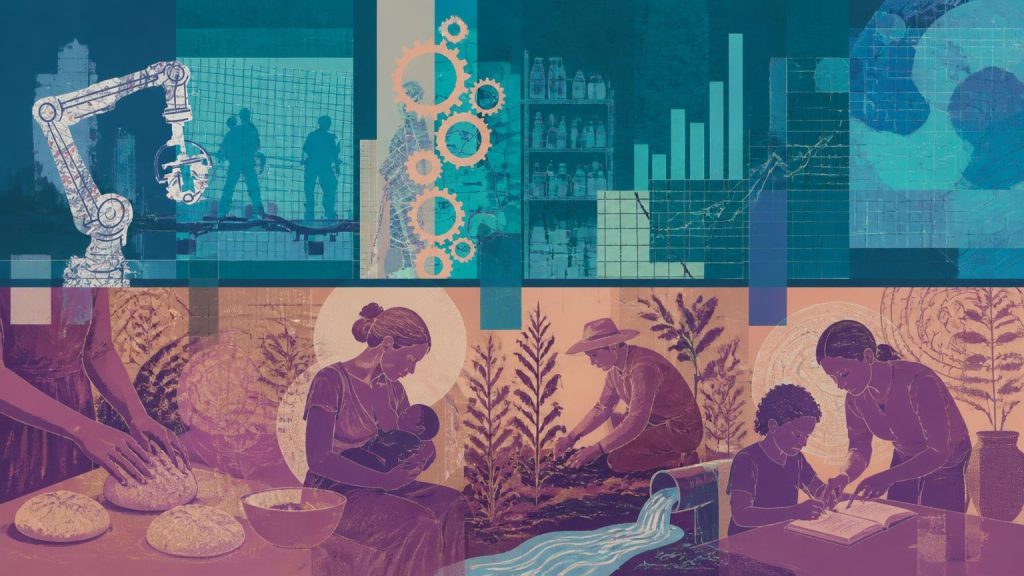
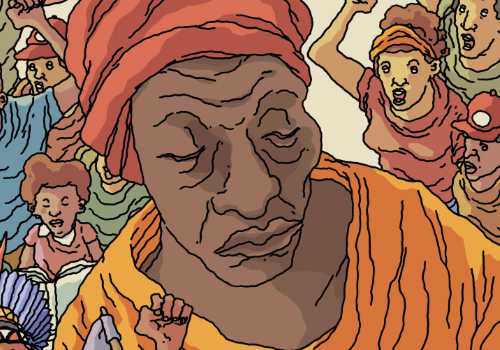
Today’s youth tend to feel lost amidst organisations forged in previous decades. Major left-wing organisations created in the 1980s now face challenges to incorporate them. That doesn’t mean that youth are not engaged in politics, that they are not taking part in collectives, or that they are not forging their own social networks. Our challenge is to understand where and how young people are taking part in politics, becoming collective actors, and sharing their experiences, distress, dreams, and solutions.
September 1, 2020
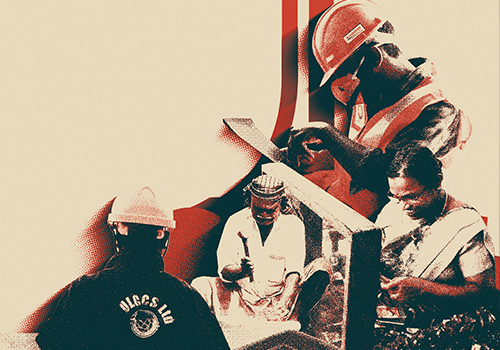
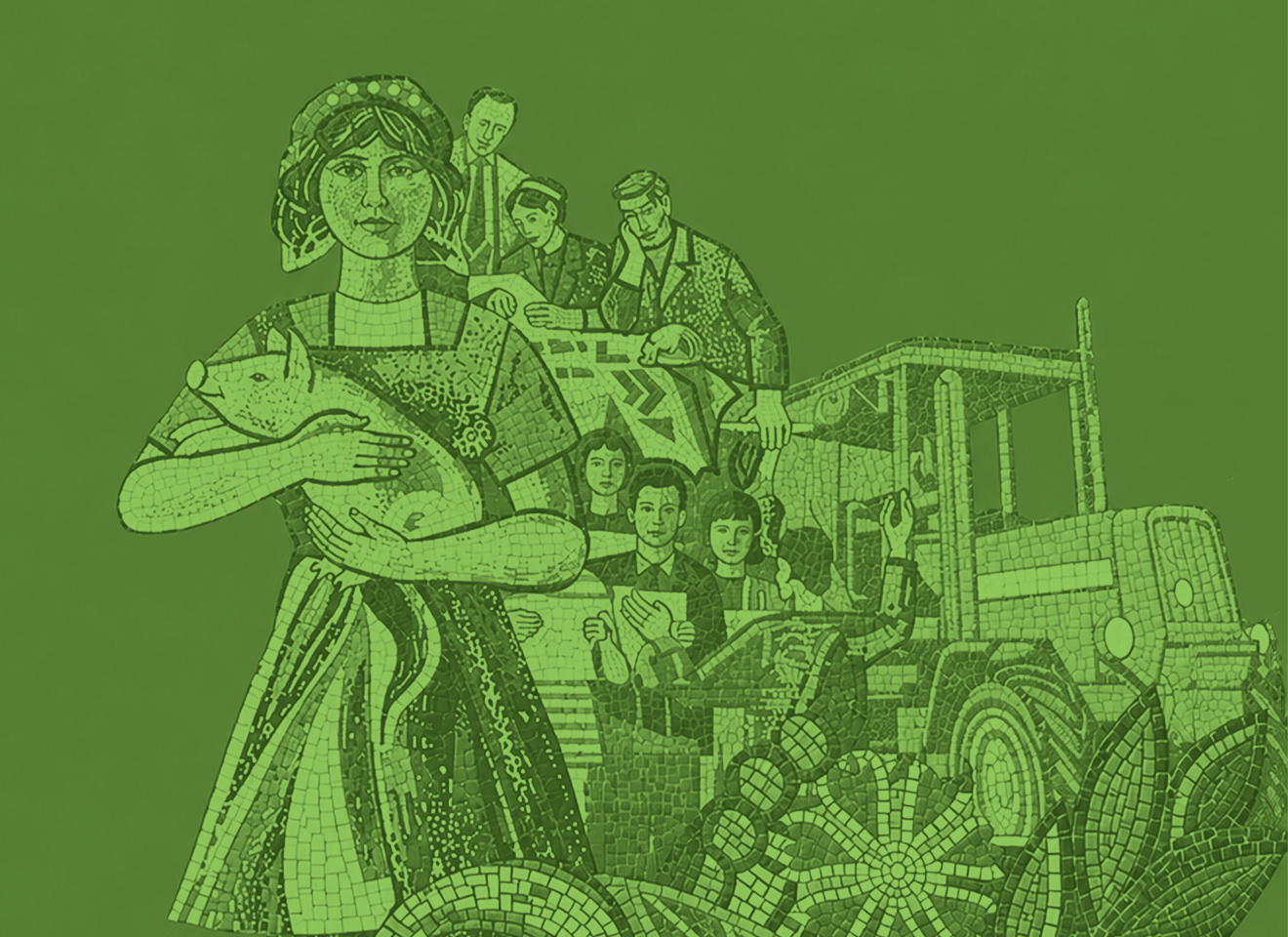
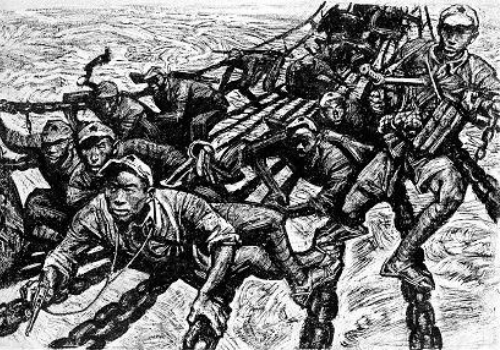
Dossier no. 32 provides a brief introduction to the history of the communist movement in India, which turns one hundred years old on 17 October 2020. Founded by a handful of Indian freedom fighters who were inspired by the October Revolution, the Indian communist movement has a history of glorious struggles and significant achievements. The communists in India have tirelessly worked to advance the rights of the working people, and to demonstrate the possibility of a future without the exploitation of human beings by human beings.
August 4, 2020
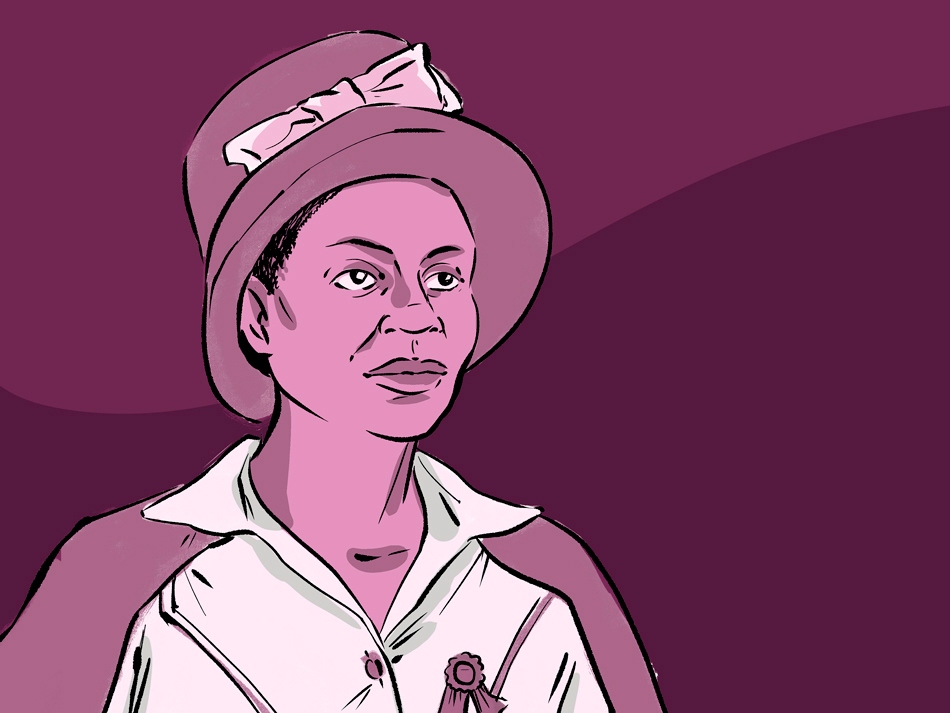
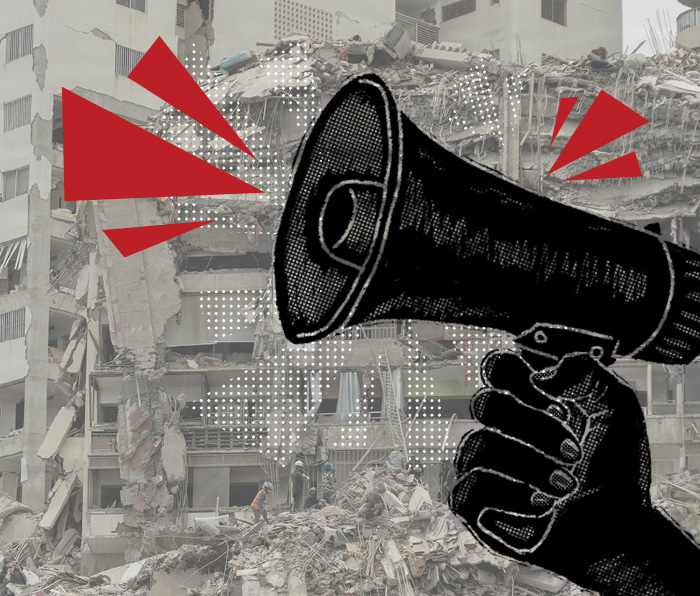
In South Africa, grassroots activists talk of ‘the politic of blood’, referring to ongoing assassinations and other forms of repression. This dossier shows how grassroots activists and trade unionists have been subjected to ongoing repression by the state, beginning under apartheid and continuing under the rule of the African National Congress (ANC), much of which has never been fully acknowledged outside of activist circles.
July 7, 2020
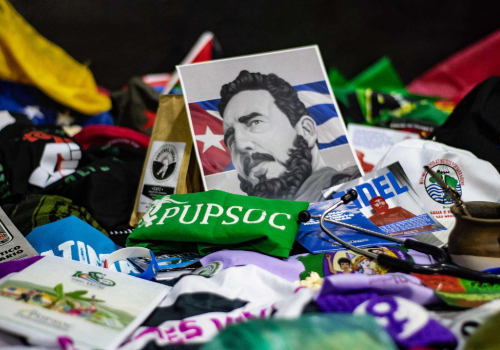
The emergence of COVID-19 in Latin America and the Caribbean has accelerated – sometimes dramatically – a series of economic and social processes that had long been underway and revealed the result of decades of neoliberal policies. The increasingly authoritarian policies, precariousness of labour, and the current social crisis are among the consequences of the neoliberal model, which puts capital before people.
June 9, 2020
In dossier no. 29, we argue against the return to normal – specifically in the healthcare systems of the bourgeois order. In part 1, we go over what the pandemic has shown us about the healthcare system; in part 2, we attend to the voices of leaders of healthcare workers; and in Part 3, we lay out an agenda for a new healthcare compact based on the demands of healthcare workers, their unions, and their movements.
May 5, 2020
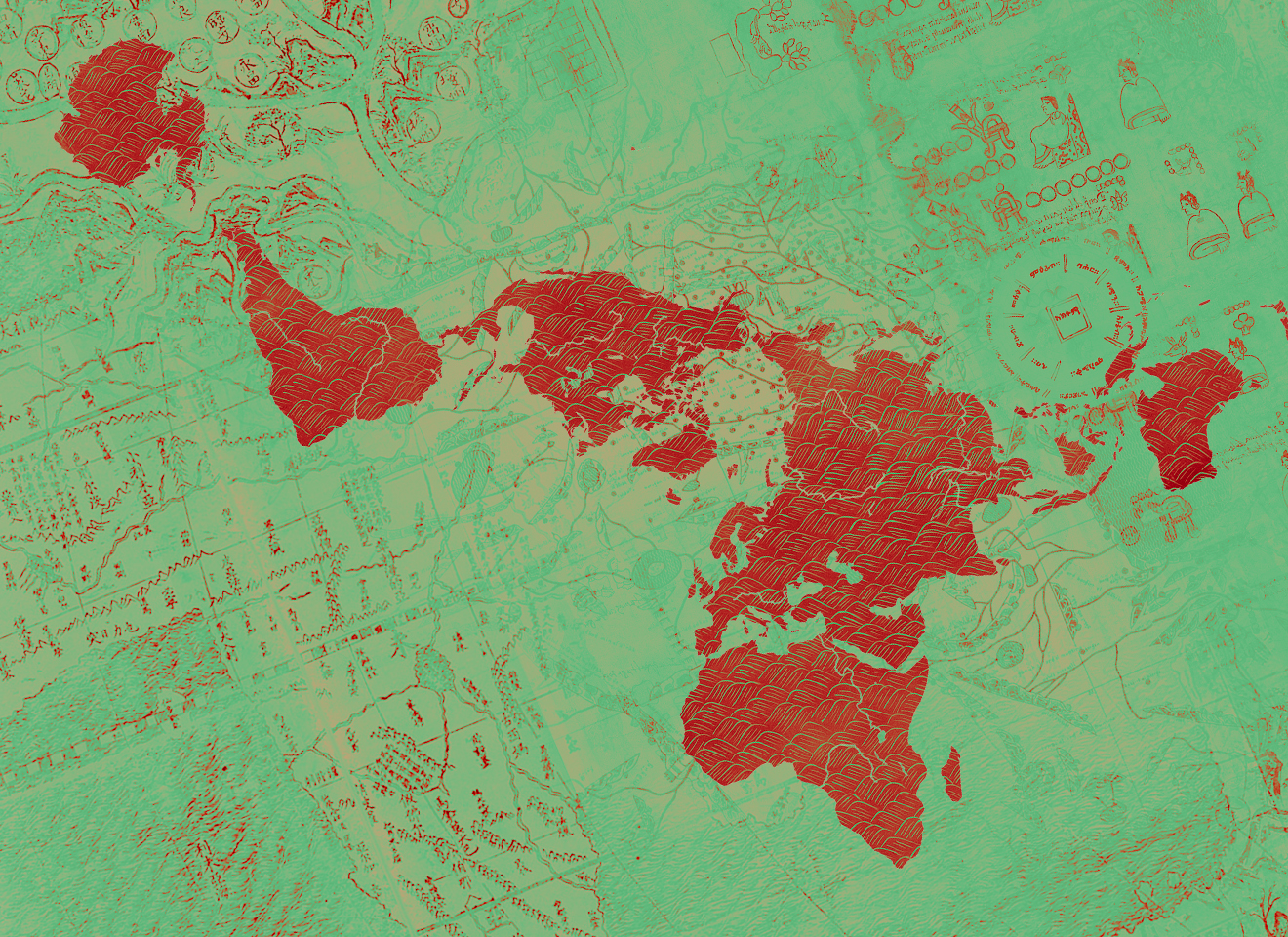
This dossier on the global pandemic focuses on three main elements: the structural features that resulted in our present crisis (from policies of austerity to the increasing wave of financialization), the most dire and immediate needs for the global working class, and a brief introduction to the idea of the Universal Basic Income (UBI) – including some critiques of the concept and some ways to sharpen the way we think about it.
April 6, 2020
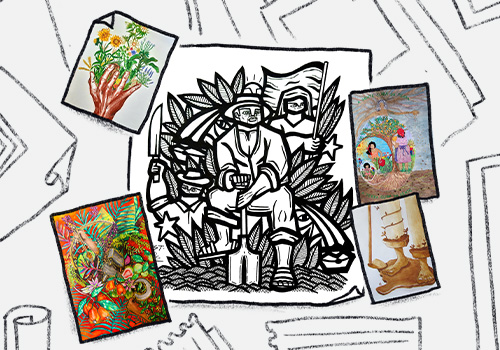
This dossier discusses the current stage of the struggle for land in Brazil; at its epicenter is the contrast between two vastly different agricultural models: agribusiness versus agroecology. Key to the agroecological model is the concept of popular agrarian reform, which proposes the full-scale reorganisation of landholdings that goes far beyond democratizing access to land, challenging the hegemonic form of capital and presenting a different conception of and a model for agriculture and agrarian life.
March 2, 2020
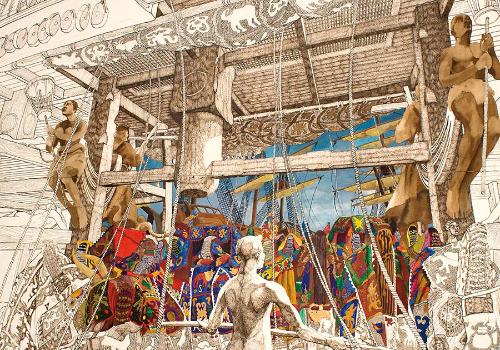
This dossier offers a sparkling introduction to Fanon’s life and work, stressing the contemporary political traction of his radical humanism, and noting that his work carries an ‘irrepressible openness to the universal’ and an axiomatic commitment to ‘recognize the open door of every consciousness’. It examines, in particular, Fanon’s contribution as a theorist of praxis committed to move beyond the ontological and spatial ordering of oppression and undertake a form of insurgent and democratic praxis in which ‘a mutual current of enlightenment and enrichment’ is developed between protagonists from different social locations.
February 3, 2020
The Indian Communist movement has experimented with various forms of people’s polyclinics, which provide free or reduced-cost health care to anyone. The epicentre of this initiative has been in the Telugu-speaking region of India, where the Nellore People’s Polyclinic alone treats 1,000 patients per day at rates 40% lower than corporate hospitals and has trained over five hundred doctors who now provide health care across the region. Our Tricontinental: Institute for Social Research Dossier no. 25 focuses on the history of the polyclinics in this region.